
Safety Surfacing (Best Options)

Table of Contents
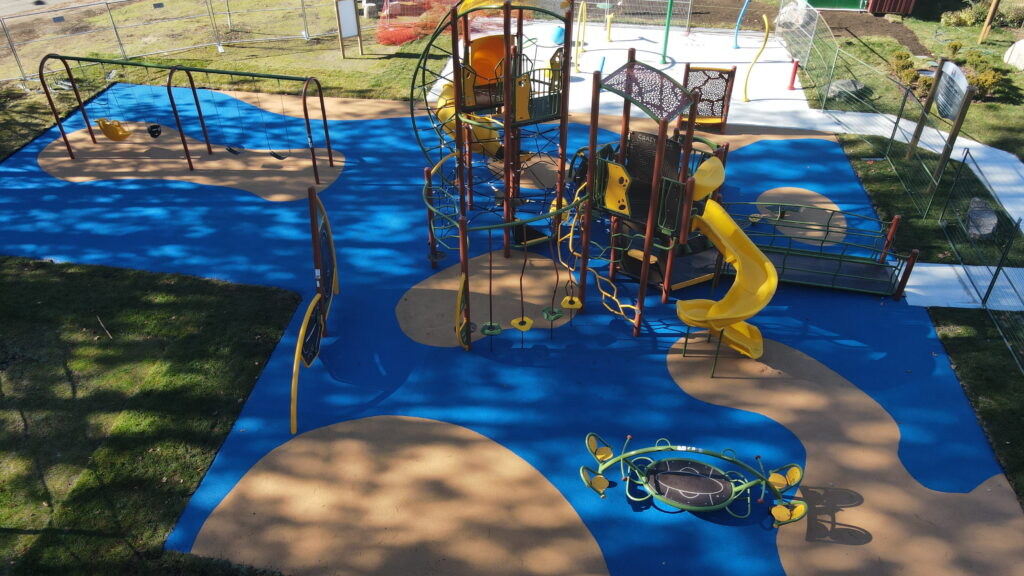
Choosing the right safety surfacing can make or break a playground impacting not just safety, but accessibility, maintenance, and long-term cost.
Introduction:
Safety surfacing is one of the most critical components of any playground or outdoor recreation space. It directly affects how well a space protects users from injury while also shaping the overall user experience. From falls to accessibility, the right surfacing ensures that play areas remain safe, inclusive, and durable over time.
The Context:
In recent years, there has been a growing emphasis on inclusive and accessible play environments. Industry standards and safety regulations continue to evolve, requiring surfacing solutions that meet strict impact attenuation guidelines while also accommodating mobility devices like wheelchairs and walkers.
At the same time, municipalities, schools, and developers are balancing safety with long-term maintenance costs. Loose-fill materials may have lower upfront costs, but require frequent replenishment, while unitary surfaces offer durability and accessibility with higher initial investment.
This shift has made surfacing selection more strategic than ever—it’s no longer just about safety, but also lifecycle value and user inclusivity.
The Process / Your Perspective:
At Park N Water, we approach safety surfacing as a key part of the overall playground design, not an afterthought. Our process focuses on aligning the right material with the needs of each specific project.
Our approach includes:
- Assessing the environment: Understanding site conditions such as drainage, climate, and usage levels.
- Prioritizing safety compliance: Ensuring all surfacing meets required fall height and safety standards.
- Evaluating accessibility needs: Recommending solutions that support inclusive play for all users.
- Balancing cost and longevity: Helping clients choose between upfront investment and long-term maintenance.
- Coordinating with design elements: Integrating surfacing seamlessly with playground equipment and layout.
Common safety surfacing options include:
- Engineered Wood Fibre (EWF): Cost-effective and natural-looking, but requires ongoing maintenance.
- Poured-in-Place Rubber: Seamless, highly accessible, and customizable—ideal for inclusive spaces.
- Rubber Tiles: Durable and consistent, offering easier repairs than poured-in-place systems.
- Synthetic Turf Systems: Aesthetic and versatile, often combined with shock pads for safety compliance.
Example:
For the Lake of Bays community playground project, the goal was to create an inclusive, low-maintenance play space with high daily usage. Park N Water recommended a poured-in-place rubber system to ensure accessibility and long-term durability.
The result was a vibrant, seamless surface that not only met safety standards but also enhanced the visual appeal of the space—while significantly reducing ongoing maintenance requirements for the client.
Practical Tips or Insights:
- Choose surfacing based on long-term use, not just initial cost.
- Prioritize accessibility—unitary surfaces offer the best inclusive experience.
- Consider maintenance requirements early in the planning process.
- Ensure proper installation to maintain safety performance over time.
- Match surfacing materials to the environment and expected traffic levels.
Conclusion / Call to Action:
Selecting the right safety surfacing is essential to creating a safe, inclusive, and long-lasting play environment.
Need help planning your next playground or park project? Our team at Park N Water can help bring your vision to life.